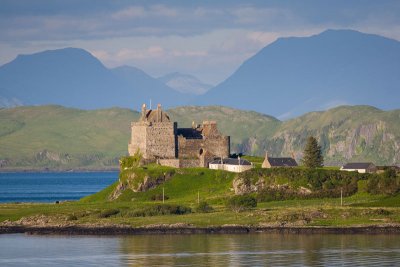
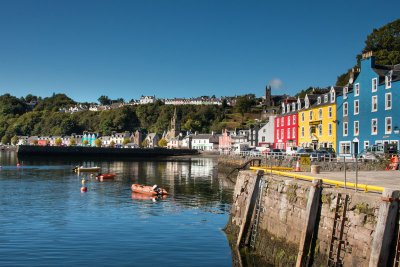
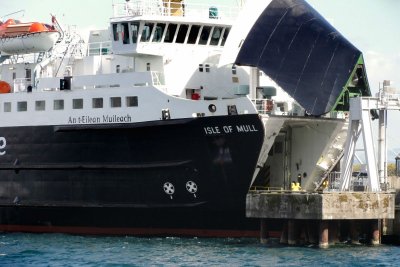
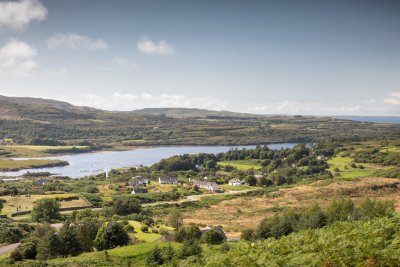
With a population of 2800 people, the island has a thriving community with a guaranteed warm Scottish welcome. The majority live close to the island’s harbour town of Tobermory, but as you explore Mull, you’ll happen upon friendly villages in all corners of the island. Most visitors arrive on Mull into the village of Craignure, having sailed on the ferry from the west coast fishing town of Oban on mainland Scotland. You can also cross from Lochaline on the mainland to Fishnish, as well as from Kilchoan on the Ardnamurchan peninsula to Tobermory, but these tend to be used less frequently, owing to the remote location of the mainland ports.
Mull has earned a deserved reputation as one of the best places to see wildlife in the United Kingdom. It is the abundance of species and diversity of habitat that draws many visitors back again and again. Eagles, otters, and red deer are a common draw, as is the fact that the island is one of the best places to see whales. Many boat trips are on offer to allow visitors to get closer view of these amazing mammals, and if visiting the island, at least one boat trip is recommended to gain an appreciation for the beauty and richness of the marine environment surrounding this island.
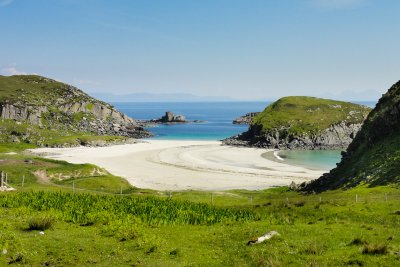
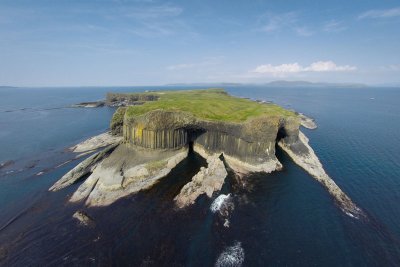
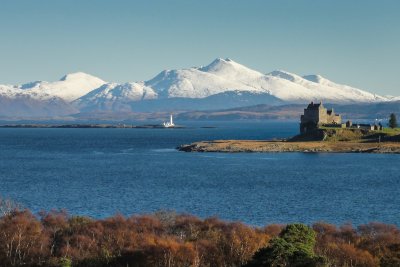
There are dramatic bays and beaches scattered along the three hundred miles of superb coastline with exceptional beaches at Calgary and on the Ross of Mull. There are also plenty of boat trips to nearby islands such as Iona, with its famous Abbey and Chapel; to the Treshnish Isles with their excellent birdlife; and of course Staffa, with its impressive basalt columns. Mull has great acclaim as having the greatest biodiversity of any place of comparable size in Britain.
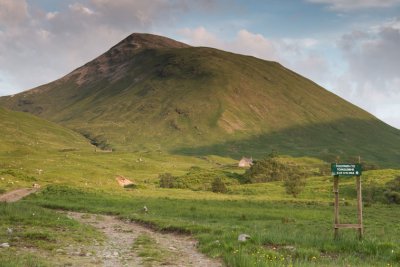
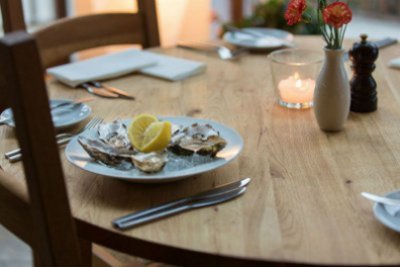
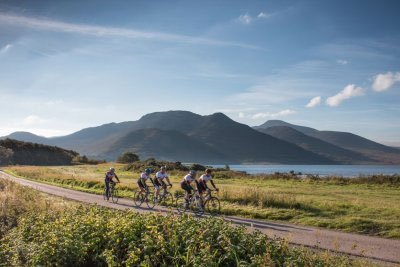
This is a fantastic place to spend a holiday, with excellent walking, fishing and outdoor pursuits, all set in spectacular scenery. There is abundant wildlife and many attractions to visit during your stay as well as lots of fantastic places to eat.
For regular updates on what's happening on the island, as well as information on last minute discounts for self-catering breaks, just join up to our Facebook page or have a look at our events page. We have lots of great photos, details about current events and interesting extras; it is the best way to keep in touch with the current happenings on the island.